
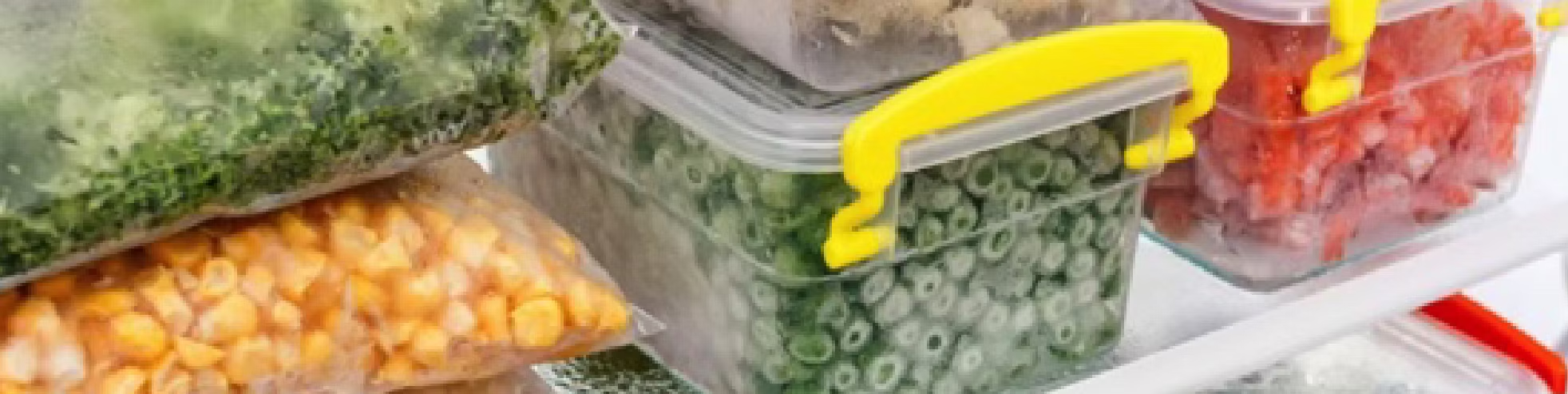
Did you know that a large proportion of the food thrown away in UK households could have been eaten? Learning how to store food properly is one of the simplest ways to reduce food waste, save money on your weekly food shop and make the most of every ingredient you buy.
Whether you’re stocking up on cupboard essentials, batch cooking meals or freezing leftovers, understanding the best way to store food safely can make a real difference.
At Good Food West Northamptonshire, we’re passionate about helping people waste less and enjoy more of the food they buy. That’s why we’re sharing these practical food storage tips from Chef Mark Horton, who leads the fantastic Cooking Good project. His advice can help households make food last longer, improve food safety and reduce unnecessary waste.
Why Good Food Storage Matters
Food waste isn’t just expensive, it also has a significant environmental impact. Every item of food that ends up in the bin has used valuable resources to produce, package and transport it.
By storing food correctly, you can:
- Reduce food waste at home
- Save money on your weekly shopping
- Keep food fresher for longer
- Make meal planning easier
- Improve food safety
- Get more value from your groceries
Small changes to your daily routine can have a lasting impact on both your household budget and the environment.
Understanding Food Labels
One of the biggest causes of unnecessary food waste is misunderstanding food date labels.
Best Before vs Use By
A best before date relates to quality, not safety. Food may still be perfectly safe to eat after this date, although the flavour, texture or appearance might have changed slightly.
A use by date is different. This relates to food safety and should always be followed. Eating food after its use by date could make you ill.
Many supermarkets have also removed date labels from some fresh fruit and vegetables to encourage people to rely on their senses instead of throwing away perfectly edible produce.
If fresh fruit or vegetables look normal, smell fresh and taste as expected, they are often still perfectly good to eat.
How to Store Food Properly
Knowing where and how to store food helps it stay fresh for longer and reduces waste.
Store Dry Foods Correctly
Cupboard staples such as rice, pasta, flour, cereals and tins should be stored in a cool, dry and dark cupboard away from direct sunlight.
Check expiry dates regularly and move older products to the front so they’re used first. This simple “first in, first out” method helps prevent food from being forgotten at the back of the cupboard.
Store Food Safely in the Fridge
Your fridge should be kept between 0°C and 5°C to keep food fresh and safe.
Cooked food should always be cooled before refrigerating and ideally eaten within five days.
It’s also worth checking your fridge temperature every so often, as many people unknowingly keep their fridge warmer than recommended.
Organise Your Freezer
Your freezer is one of the most effective ways to reduce food waste.
Keep it between -18°C and -23°C, and avoid allowing thick layers of ice to build up.
Labelling meals and leftovers with the freezing date makes it much easier to use older food first and avoid forgotten containers sitting in the freezer for months.
Freezing Food to Reduce Waste
Freezing food is an excellent way to extend its life and prevent perfectly good food from being thrown away.
Most cooked meals, bread, vegetables, meat and many fruits freeze well.
However, some foods don’t freeze successfully, including:
- Eggs in their shells
- Blue cheese
- Mayonnaise-based dishes
- Meringue desserts
Fried foods can also lose their crispy texture after defrosting.
Although food often remains safe beyond this point, it’s generally best to use frozen food within three months for the best flavour and quality. If food develops freezer burn, check it carefully before cooking.
The Safest Way to Defrost Food
Defrosting food correctly is just as important as freezing it.
The safest method is to transfer frozen food into the fridge around 24 hours before cooking. Larger items, such as whole chickens or large joints of meat, may need up to 48 hours to thaw completely.
Defrosting food slowly in the fridge keeps it below 5°C, helping to prevent harmful bacteria from multiplying.
Once food has been frozen and fully defrosted, it shouldn’t be frozen again unless it has been thoroughly cooked first. For example, raw chicken can be frozen, defrosted, cooked into a curry or casserole, cooled safely and then frozen again.
Can You Cook Food From Frozen?
Many frozen products, including chips, vegetables and pizzas, are designed to be cooked straight from the freezer.
Always follow the instructions on the packaging. If the label says “cook from frozen”, it’s safe to do so.
If it doesn’t, allow the food to thaw completely before cooking.
Whichever method you use, make sure food is cooked thoroughly all the way through, especially in the centre.
Simple Food Storage Habits That Save Money
Reducing food waste doesn’t require expensive gadgets or complicated systems. Small habits can make a big difference:
- Check your cupboards before shopping.
- Label leftovers before freezing.
- Store food at the correct temperature.
- Rotate older food to the front.
- Plan meals around ingredients you already have.
- Freeze leftovers before they spoil.
- Understand food date labels.
These simple changes can help households waste less food and stretch food budgets further.
Helping West Northamptonshire Waste Less
At Good Food West Northamptonshire, we’re committed to helping people build healthier, more sustainable food habits across our communities.
By sharing practical advice from trusted local initiatives like Cooking Good, we’re helping residents gain confidence in the kitchen, reduce food waste and make every meal go further.