
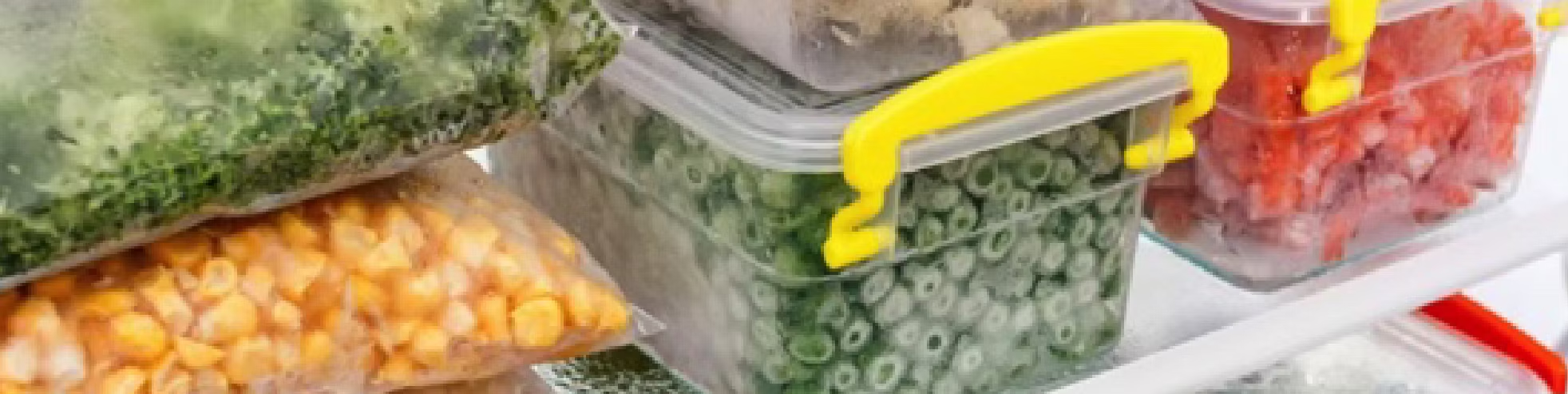
Making the most of the food you buy starts with storing it properly. Good food storage not only helps keep your food safe to eat, but it can also save you money, reduce waste and cut down on unnecessary trips to the shops.
Here are some simple tips to help you get the best from your groceries.
Understanding Food Labels
Food packaging often includes either a ‘best before’ date or a ‘use by’ date, and it’s important to know the difference.
- Best before dates relate to quality rather than safety. Food may still be perfectly safe to eat after this date, although the flavour or texture may not be at its best.
- Use by dates are about food safety. Food should not be eaten after the use by date, even if it looks or smells fine.
Many fresh fruit and vegetables no longer carry date labels to help reduce unnecessary food waste. Instead, rely on your senses. If produce looks fresh, smells normal and tastes as expected, it is often still good to use.
Store Food in the Right Place
Different foods need different storage conditions.
Cupboards and Pantries
Store dried foods such as pasta, rice, flour and tinned goods in a cool, dry cupboard away from direct sunlight. Keeping your cupboard organised and checking expiry dates regularly can help ensure older items are used first.
Fridge
Your fridge should ideally be kept between 0°C and 5°C. Most modern fridges have a temperature display or can be checked with a fridge thermometer.
Once cooked food has cooled, transfer it to the fridge promptly and aim to eat it within five days.
Freezer
Freezers should be kept between -18°C and -23°C to keep food safely frozen. It’s also worth checking for ice build-up, as excessive frost can reduce efficiency and storage space.
Labelling containers with the contents and the date they were frozen makes it much easier to keep track of what needs using first.
Make the Most of Your Freezer
Freezing food is one of the easiest ways to prevent waste and extend the life of many everyday ingredients and meals.
Most foods freeze well, including cooked meals, meat, vegetables, bread and many fruits. However, some foods don’t freeze successfully. These include:
- Eggs in their shells
- Blue cheeses
- Mayonnaise-based dishes
- Meringue desserts
Fried foods may also lose their crisp texture after defrosting.
For the best quality, try to use frozen food within three months and keep an eye out for signs of freezer burn, particularly on food stored for longer periods.
Defrost Food Safely
The safest way to defrost frozen food is slowly in the fridge.
- Most foods should be transferred to the fridge around 24 hours before cooking.
- Larger items, such as a whole chicken, may need up to 48 hours to thaw completely.
Once food has been thawed, it should not be refrozen unless it has been cooked first. For example, raw chicken can be frozen, defrosted, cooked thoroughly, cooled and then frozen again as part of a prepared meal.
Can You Cook Food Straight from Frozen?
Some foods, such as oven chips, frozen vegetables and pizzas, are designed to be cooked directly from the freezer.
The easiest way to check is to read the cooking instructions on the packaging. If the label says it can be cooked from frozen, follow those instructions carefully.
When cooking food that has been defrosted, always make sure it is piping hot all the way through before serving, especially meat, poultry and ready meals.
Small Changes Make a Big Difference
Good food storage habits can help you make the most of every shop, reduce household food waste and save money over time. By understanding food labels, storing items correctly and making good use of your freezer, you’ll help ensure less food ends up in the bin and more ends up on your plate.