
Composting is pretty special. A somehow magical process bringing dead stuff back to life in the form of a rich, living soil, supporting new growth. It really is nature’s black gold and making it yourself is simple to do, produces something for free and helps save time, money and the planet!
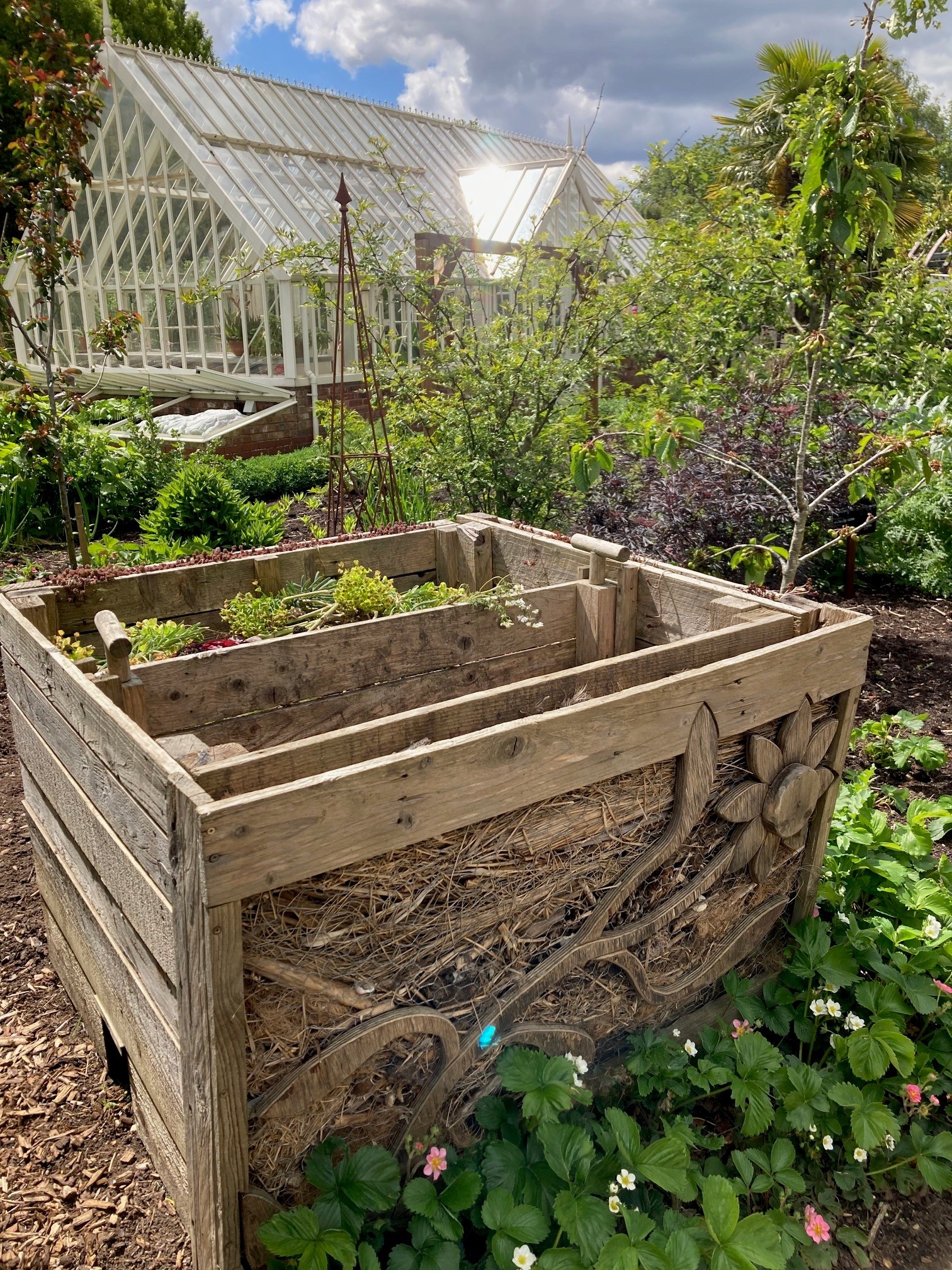
Compost can be made in a simple heap on the ground. However, most people use some form of bin or container. This generally looks tidier and can make the compost easier to manage. Compost bins can be home-made or purchased, low cost or expensive – the choice is yours. They can be made of wood, plastic or other materials, preferably recycled. See here for instructions to build your own: Garden Organic | Homemade compost bins
There are many different methods of composting to suit different lifestyles, different materials and the speed in which you want the ready compost available to use. Ask five people how to compost and they will give you five different answers but when getting started, keep it simple! A dalek style plastic bin is often the cheapest and readily available or make your own with old pallets strapped together.
More important than the bin itself is where to put it… make it easy for yourself. A compost bin conveniently located will mean you use it more, all year round. It is preferable to have your compost on bare earth but it’s not a deal breaker, I like to think the worms are magical because they’ll find their way to your compost even if it is on hardstanding. A sunny site is also preferred as this will help speed up the composting process, however again not essential, it may just mean the process takes a little longer.
What can I put into my compost heap?
For best results, use a mixture of types of ingredients. Getting the right balance of nitrogen rich ‘green’ materials (cut grass, vegetable peelings) and carbon rich ‘brown’ materials (dry plant material, cardboard / paper) will ensure the compost doesn’t get too wet (too many greens) or too dry (too many browns). The process needs air so don’t feel the need to break everything up into small pieces, egg boxes can go in whole.
When will my compost be ready?
When the ingredients have turned into a dark brown, earthy smelling material, the composting process is complete. Don’t worry if you’re compost is not fine and crumbly, even if it is lumpy, sticky or stringy, with bits of twig and eggshell still obvious, it is definitely useable and will still be a great addition to your garden. Remember the composting process takes time, in a typical cool heap it can take 12-18 months. Find out more about composting: Garden Organic | Composting